
Why bees matter: pollination and biodiversity explained
Understand why bees and other pollinators matter, how pollination works and what can support biodiversity, using FAO and EU sources.
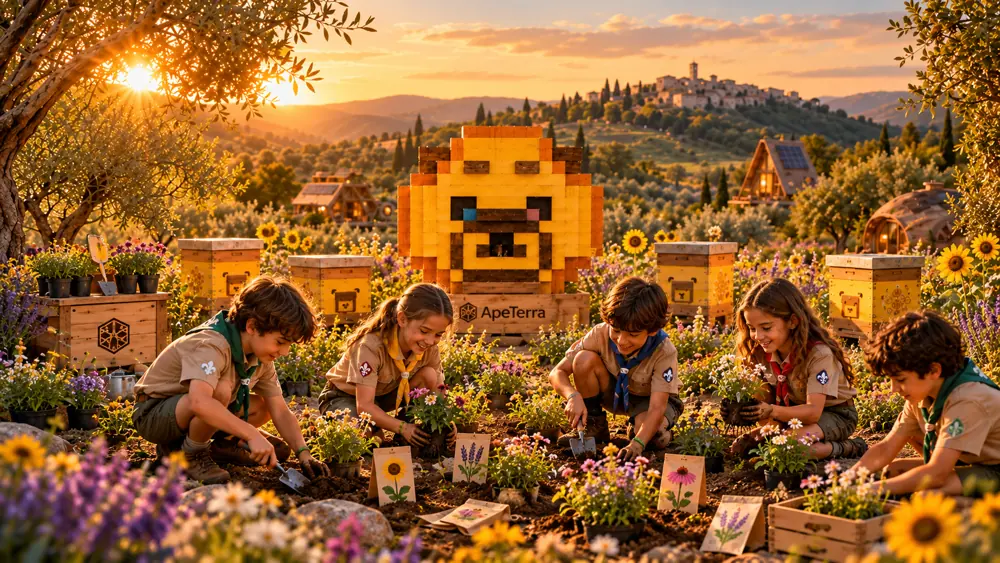
What does a bee do on a flower?
While gathering nectar and pollen, a bee may transfer pollen grains between compatible flowers. That movement can help plants reproduce, making it one of the clearest examples of how insects and flowering plants depend on each other.
Honey bees are not the whole story. Wild bees, butterflies, hoverflies, moths and other animals play pollination roles too. Effective conservation has to consider the wider community of pollinators.
A connection to food and healthy ecosystems
The UN Food and Agriculture Organization describes pollination as a link between natural ecosystems and sustainable food production. It matters for wild plants as well as a variety of crops.
The European Commission notes that about four out of five crop and wild flowering plant species in Europe depend on animal pollination to some extent. This does not mean every food would disappear without honey bees; it shows how deeply connected these systems are.
Why are pollinators under pressure?
When flower-rich meadows, hedgerows and nesting spaces disappear, many pollinators lose essential resources. Other pressures include inappropriate chemical use, fragmented landscapes and changing climate patterns.
There is no single remedy for every landscape. Local habitat planning, seasonal food availability, species knowledge and long-term management matter more than a one-day photo opportunity.
Five practical ways to pay attention
A small garden and a large agricultural area face different constraints. Useful choices depend on your climate, land management and the species actually present.
- Choose locally appropriate plants with flowering periods spread through the season.
- Where suitable, allow some green spaces to grow less intensively.
- Avoid unnecessary chemical treatments and seek qualified local guidance.
- Help children observe insects safely without disturbing nests or colonies.
- Look for conservation projects that report evidence and distinguish intentions from measured outcomes.
Where ApeTerra fits in
ApeTerra is exploring how art, education and digital participation might help more people become interested in these relationships. Bear #001 and school activities are accessible entry points, but their environmental outcomes must be assessed separately.
Use institutional sources for scientific background and the ApeTerra Journal for verified milestones and limitations of the project itself.
Three ways to explore ApeTerra
From curiosity to action: choose the path that fits you.
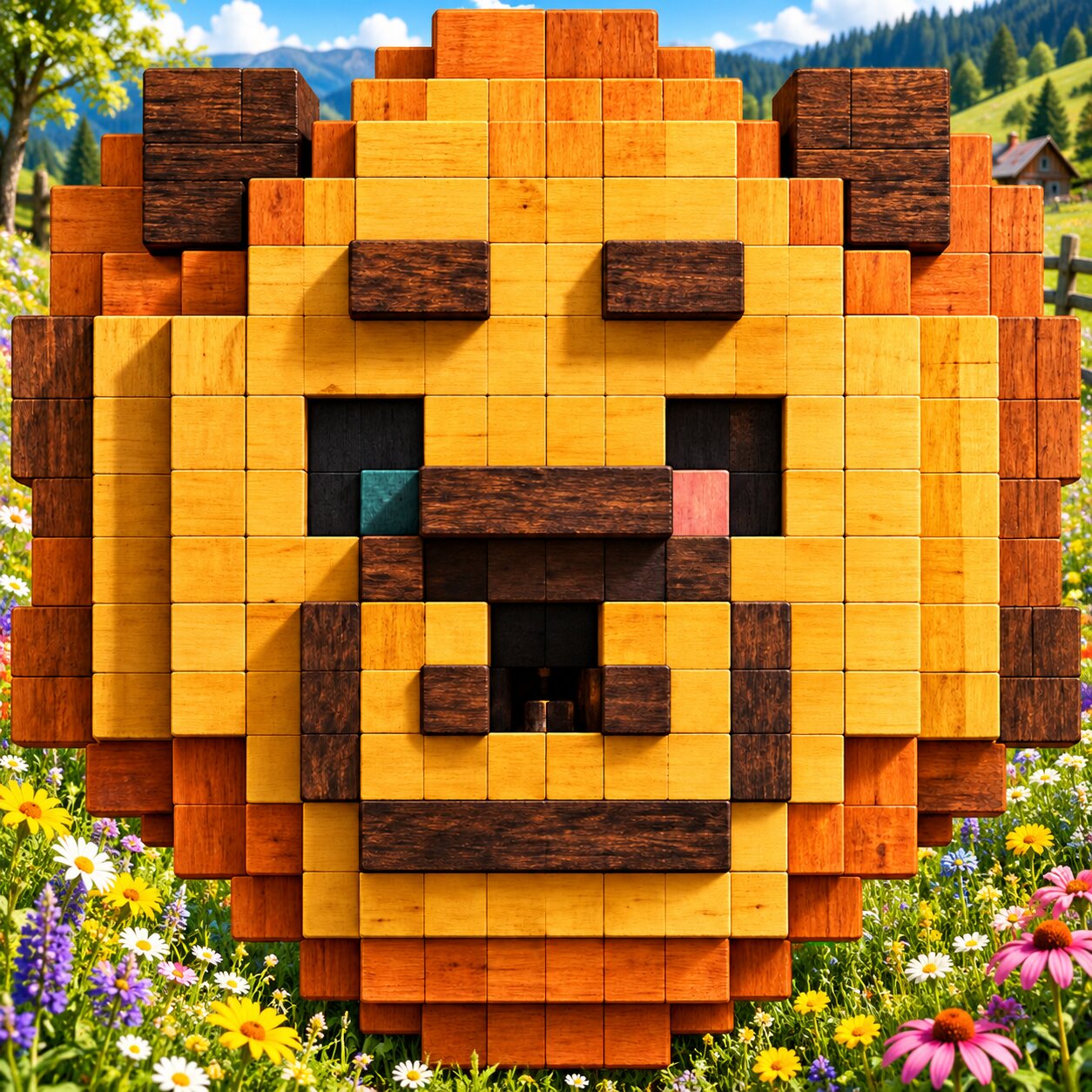
One image, revealed one pixel at a time.
Buy or gift a Bear #001 digital pixel and explore the 20 progressive modules.
Explore pixels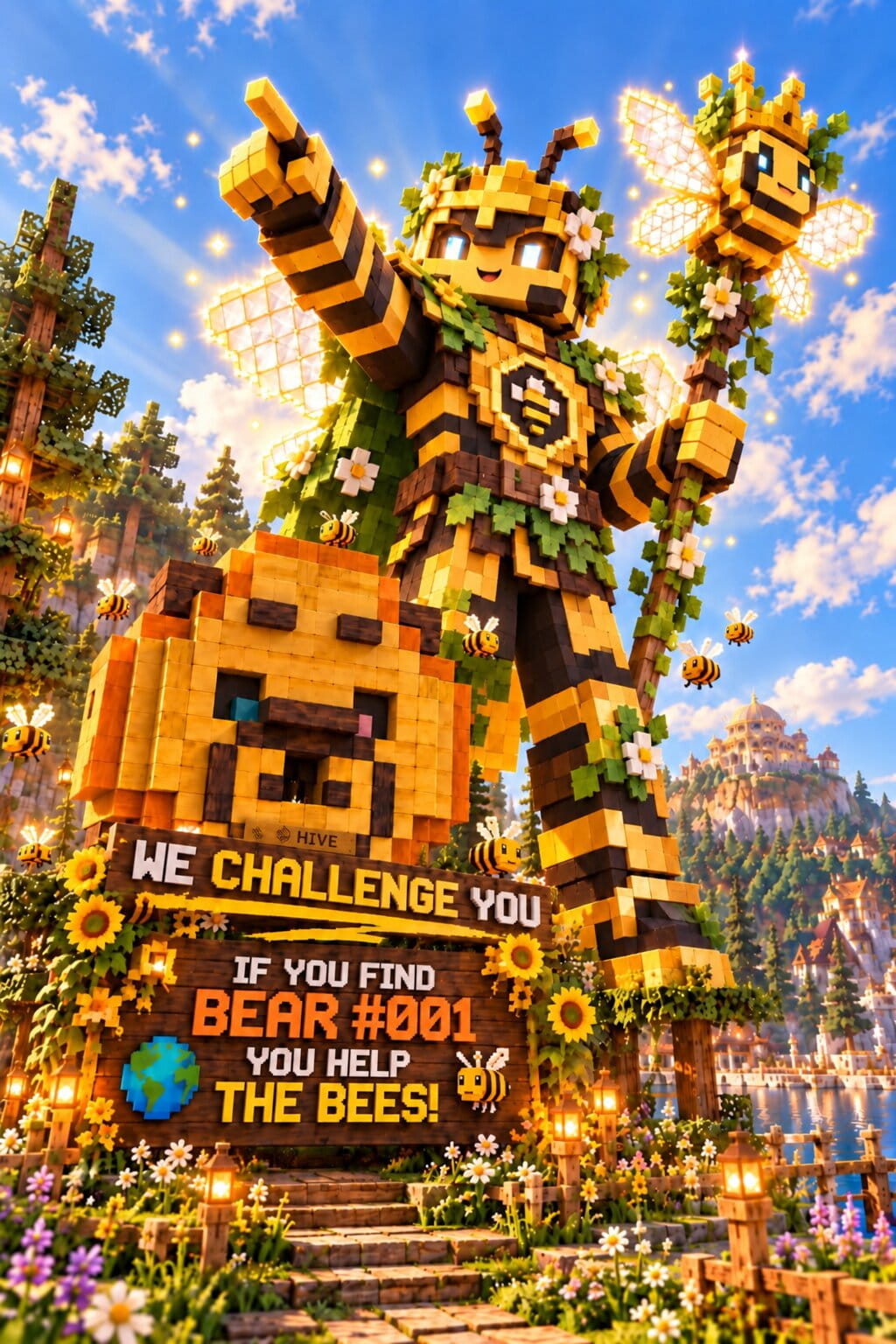
One drawing may inspire what comes next.
Explore the creative missions, animal selection, original artwork and community voting.
Join the Challenge
Help bring a meaningful story forward.
Explore partnerships connecting brands, bees, creativity and environmental learning.
Become a sponsorFrequently asked questions
Quick, clear answers about this topic.
Are honey bees the only pollinators?
No. Wild bees, butterflies, hoverflies, moths and other animals can also transfer pollen between flowers.
Why is pollination important?
It supports reproduction in many flowering plants and contributes to habitats, food systems and biodiversity.
How can I help pollinators?
Choose suitable local plants, manage green spaces responsibly and consult credible ecological guidance.