
ApeTerra Junior Academy: bee activities for children and schools
Explore ApeTerra Junior Academy: age-appropriate bee missions, drawing activities and classroom ideas for families and schools.
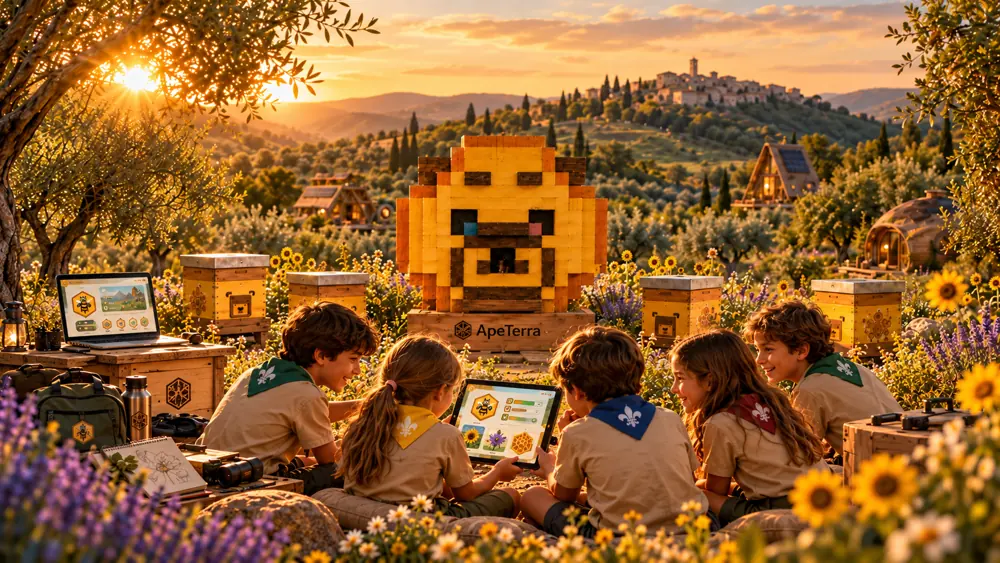
Start with curiosity
A child does not need a scientific glossary to begin learning about pollination. Watching an insect visit a flower, sketching a habitat and asking where pollen might travel can open up the subject naturally.
ApeTerra’s learning pathway is built around missions, bringing together reading, observation and creative tasks rather than treating environmental education as a list of facts to memorise.
Different ages, different questions
The educational design includes three broad age groups: 6–8, 9–12 and 13–17. Younger children might work with shapes and simple observation; older students can compare evidence and think about systems and impacts.
The rules for a competition are not necessarily the same as those for the learning pathway. Joining a lesson should not be confused with entering a public contest or taking part in a vote.
Families and schools are essential
Children’s participation requires age-appropriate safeguarding and careful handling of photos, profiles and consent. A classroom activity works best when teachers can understand the purpose and parents know what information is being shared.
ApeTerra has been developing tools to support teachers and families, including school-related participation processes. Availability depends on the current release and the permissions required by each activity.
Three ideas for an introductory lesson
Invite children to observe a flower from a safe distance and describe any insects that visit it. Ask them to draw a friendly pollinator habitat, then discuss what the plants might need across the seasons. Finally, compare different flowers and suggest why their visitors may differ.
These are educational starting points, not instructions for opening a live hive. Visits to apiaries require trained professionals, appropriate supervision and suitable safety arrangements.
Learning with a wider purpose
The Junior Academy links creative work to ApeTerra’s broader intention: help young people understand nature and the responsibilities behind real environmental projects.
Visit the official ApeTerra site for the current learning pathways and any active school programmes.
Three ways to explore ApeTerra
From curiosity to action: choose the path that fits you.

One image, revealed one pixel at a time.
Buy or gift a Bear #001 digital pixel and explore the 20 progressive modules.
Explore pixels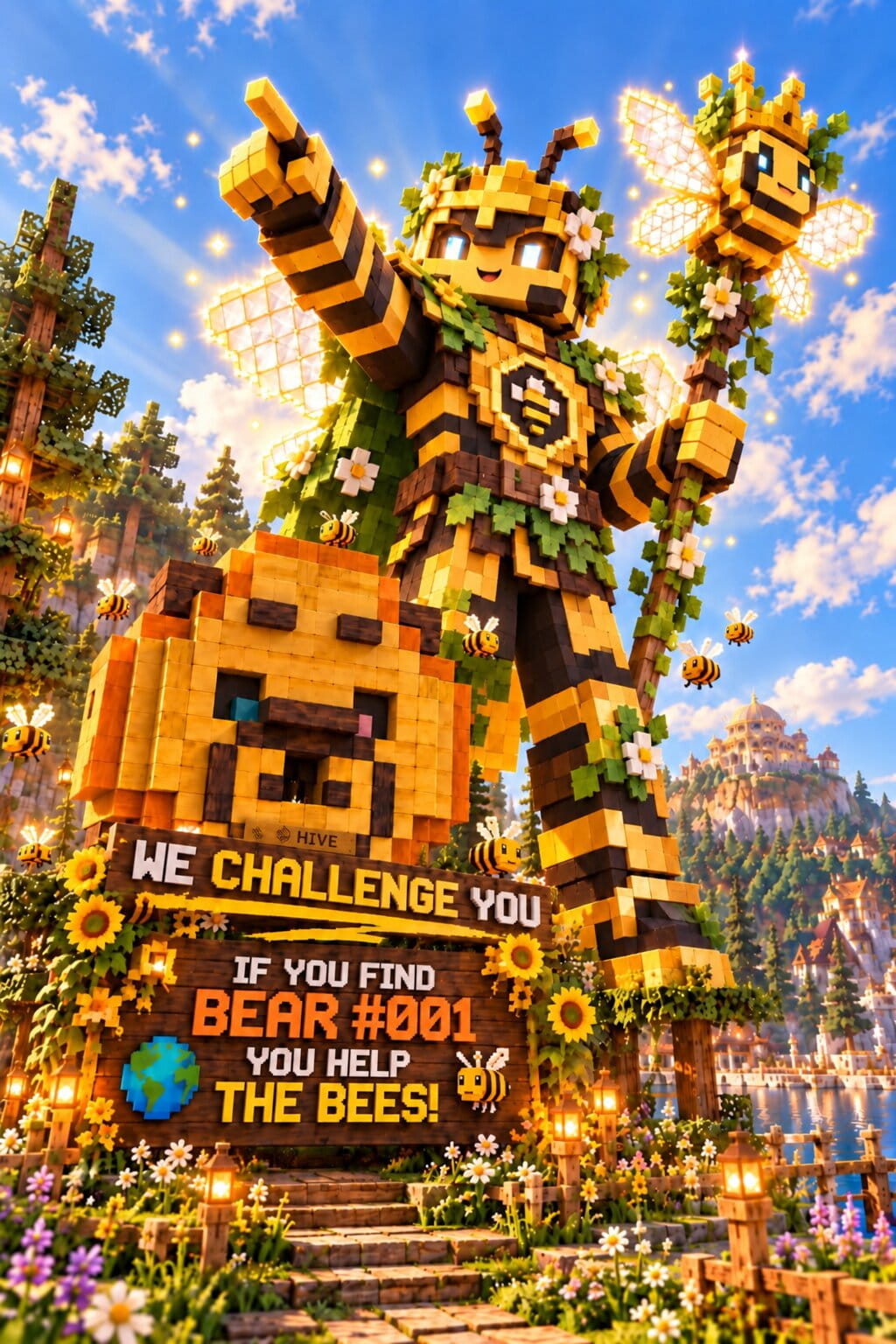
One drawing may inspire what comes next.
Explore the creative missions, animal selection, original artwork and community voting.
Join the Challenge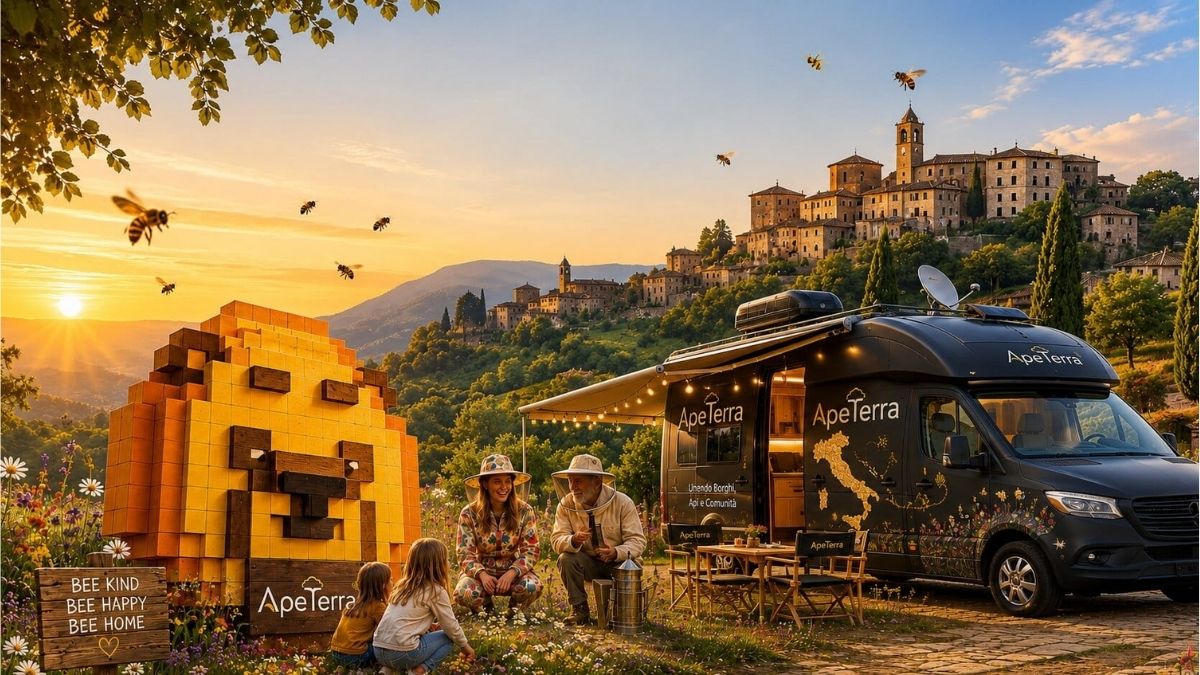
Help bring a meaningful story forward.
Explore partnerships connecting brands, bees, creativity and environmental learning.
Become a sponsorFrequently asked questions
Quick, clear answers about this topic.
What ages are included in Junior Academy?
Learning pathways are designed for ages 6–8, 9–12 and 13–17; competition eligibility may differ.
Are parental permissions required?
Children’s activities require appropriate consent and permissions where applicable.
Can children approach live hives on their own?
No. Apiary visits require qualified supervision and suitable safety precautions.