
How ApeTerra began: five generations, bees and a child’s drawing
Explore ApeTerra's origins: a family beekeeping legacy, a child's drawing and a project connecting bees, biodiversity, art and technology.
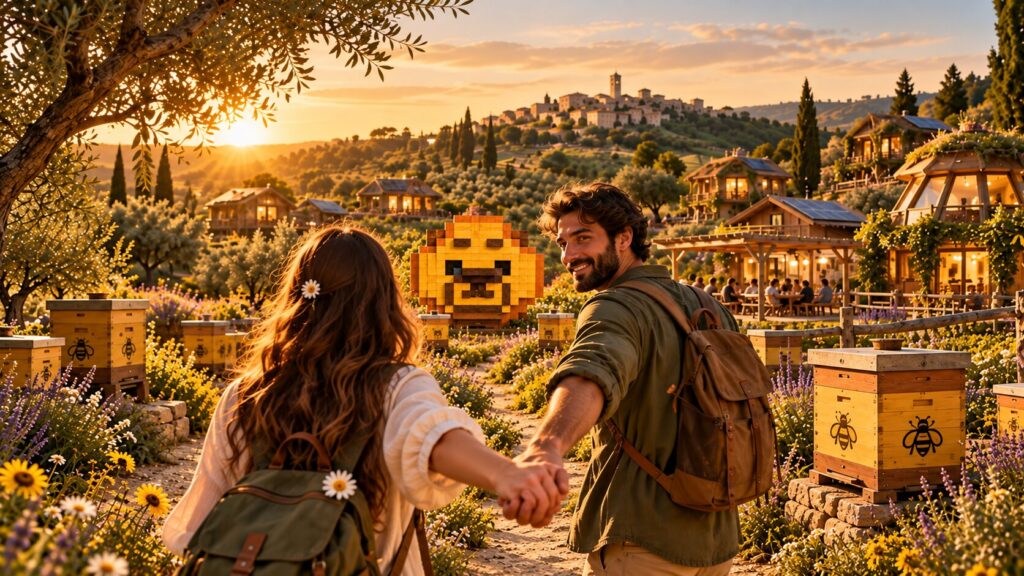
A legacy of observation and care
Beekeeping has been part of the family’s history across generations. That story carries practical knowledge of seasons, colonies and the patience needed to work with living ecosystems. It also includes loss and change, rather than an uninterrupted success story.
ApeTerra takes this heritage as a starting point, not a claim that every ambitious component of the present-day project already exists. It asks how education, design and digital participation might help create an environment in which bees, people and local communities can thrive.
The drawing that became Bear #001
A drawing by Michelangelo helped inspire the visual identity of Bear #001, the artistic beehive at the heart of the first public chapter. The bear gives an abstract environmental idea a memorable shape: what would it look like if a child’s creativity contributed to a future home for bees?
The digital Bear exists as an interactive pixel experience. Building and installing a physical version is a separate operational milestone that depends on funding, expert partners and site planning. We keep those stages clearly labelled.
More than a single fundraising story
ApeTerra’s ecosystem connects creative challenges, educational missions, schools and a digital product where individual pixels reveal a larger image. A visitor can learn, share, draw or choose a pixel as a personal gift.
These activities do not replace sound beekeeping practices. They are ways of opening the subject to people who might otherwise never encounter it, especially families and students. Educational content and game mechanics remain separate from real-world environmental outcomes.
Why a real Bee Village takes time
The long-term concept combines artistic and productive hives, pollinator-friendly flowers and learning experiences. Early territorial work has involved the Canale Monterano and Bracciano area near Rome.
A concept render is not an installed apiary. Land use, agricultural planning, permits where applicable, animal welfare, reliable partners and finance all require separate decisions. The Journal will record the progress that can be verified, alongside unfinished work.
A journal with a clear purpose
We want someone discovering ApeTerra from Google to understand both the ambition and the present stage of each component. Designs, prototypes, approvals, live digital tools and physical installations need different labels.
This editorial record is therefore built around evidence, dates and honest updates. It is a place to follow the project as it develops, not to turn tomorrow’s possibilities into yesterday’s achievements.
Three ways to explore ApeTerra
From curiosity to action: choose the path that fits you.
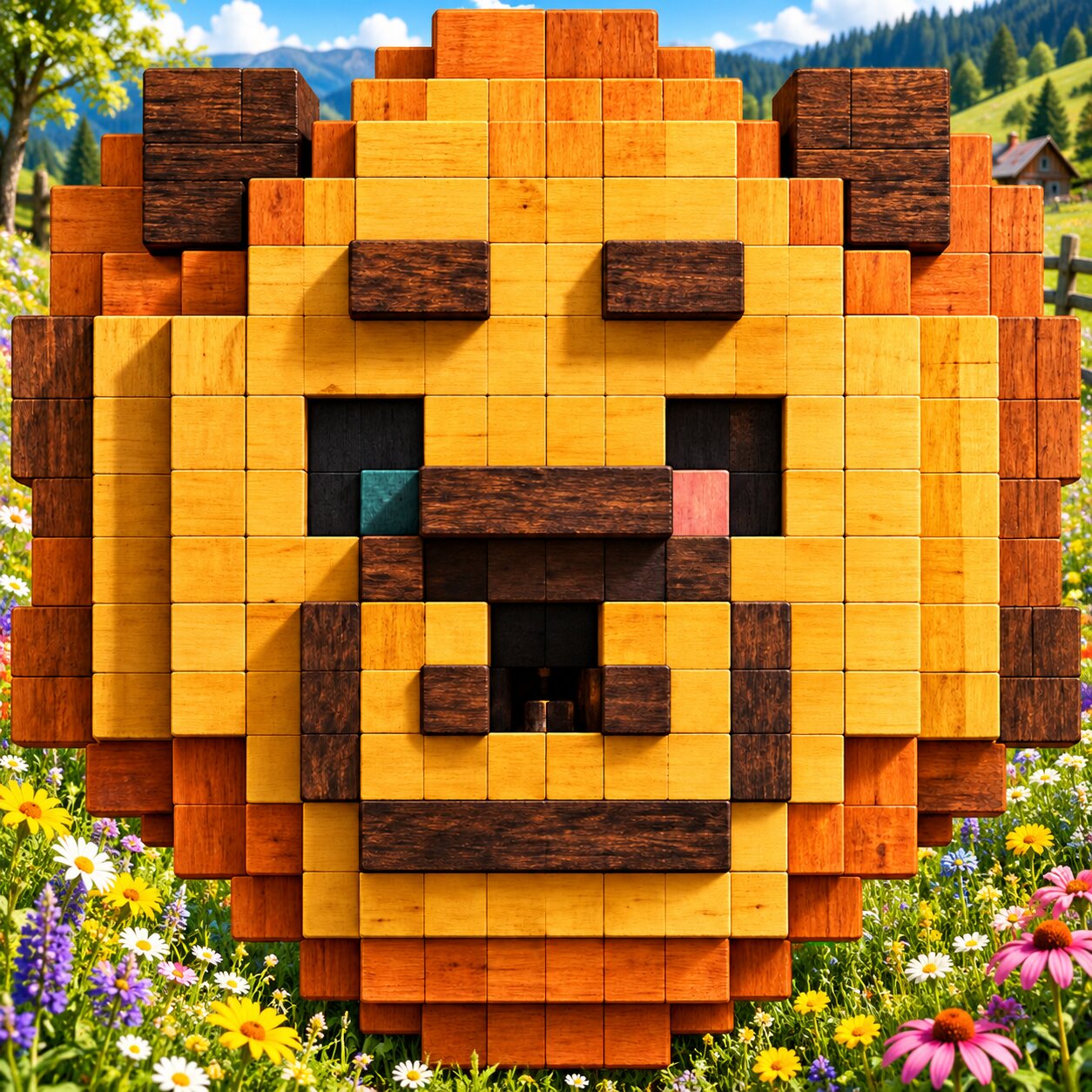
One image, revealed one pixel at a time.
Buy or gift a Bear #001 digital pixel and explore the 20 progressive modules.
Explore pixels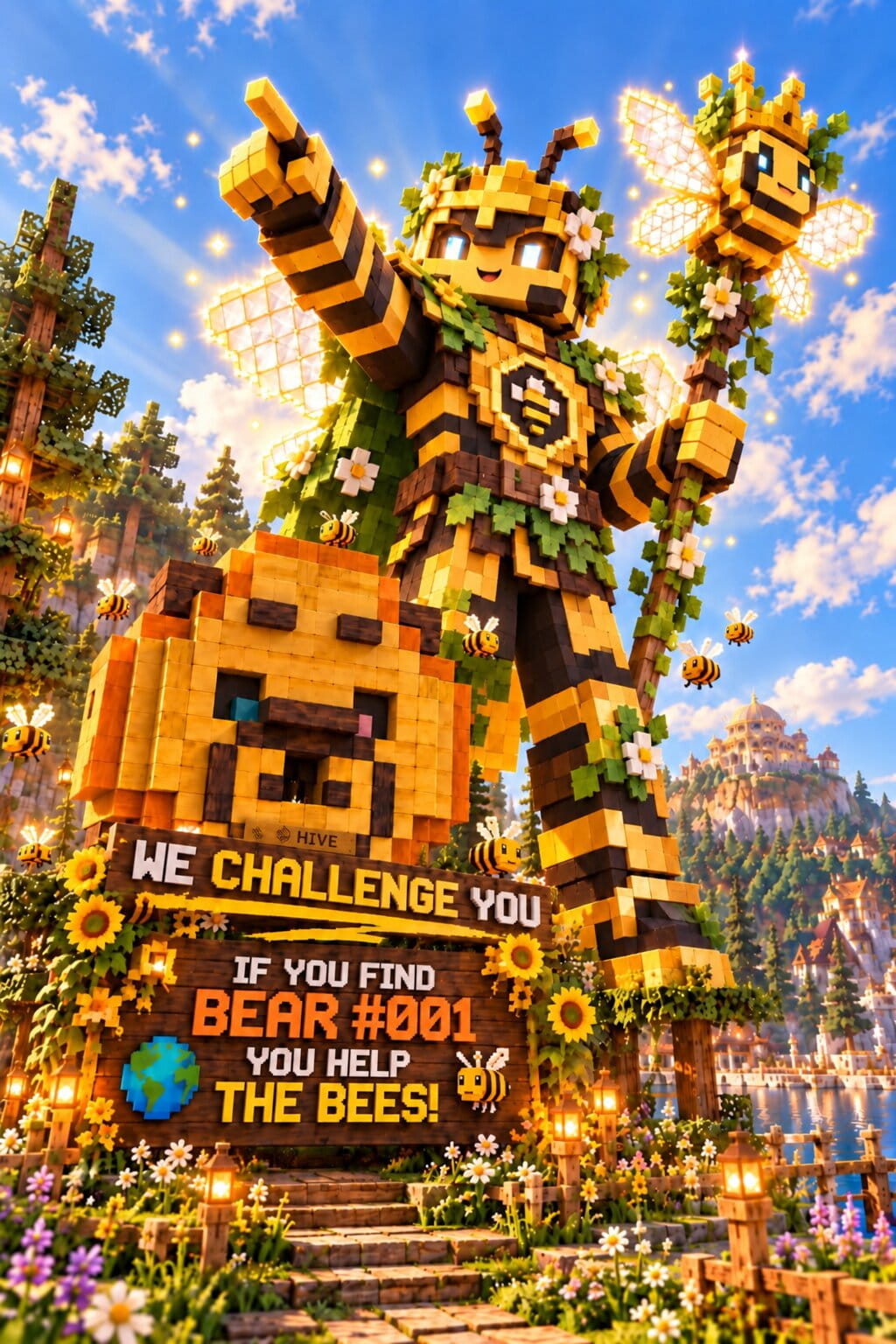
One drawing may inspire what comes next.
Explore the creative missions, animal selection, original artwork and community voting.
Join the Challenge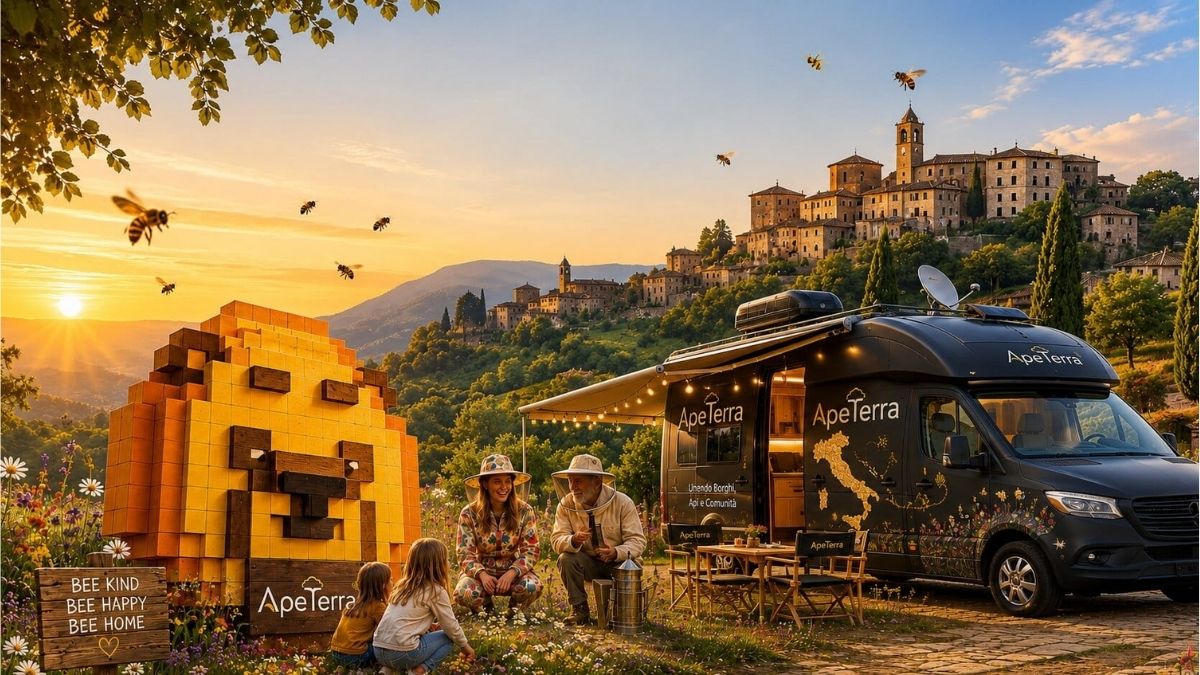
Help bring a meaningful story forward.
Explore partnerships connecting brands, bees, creativity and environmental learning.
Become a sponsorFrequently asked questions
Quick, clear answers about this topic.
How did ApeTerra start?
It grew from a family history connected with bees and Michelangelo’s creative work, joining education, art and digital participation.
Has the Bear #001 hive already been built?
The Bear #001 digital platform is live; a physical artistic hive is a separate future milestone requiring design and verification.
Where can I check actual progress?
Follow the ApeTerra Journal, where concepts, live tools, prototypes and completed outcomes are clearly distinguished.